HumanVoz
The boutique studio for original, natural Spanish voice data
Spanish: the world's second mother tongue, in all its voices. Our specialty
- Scripts by linguists
- Sessions directed by broadcast professionals
- Every file checked by human editors
The boutique studio for original, natural Spanish voice data
Better voices in.
Better AI out
www.humanvoz.com
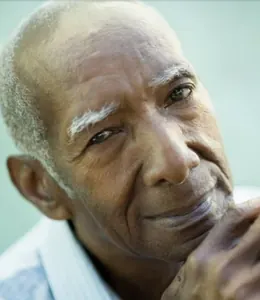

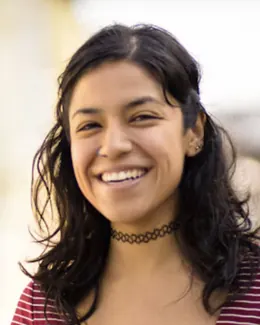
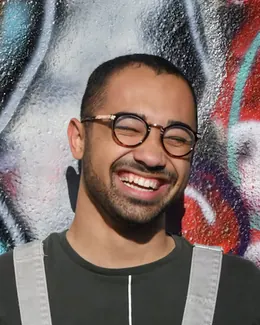
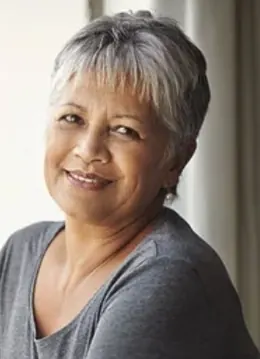







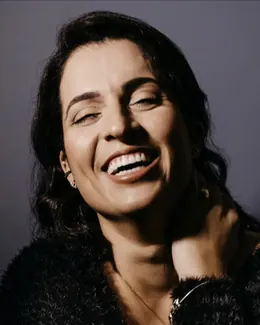

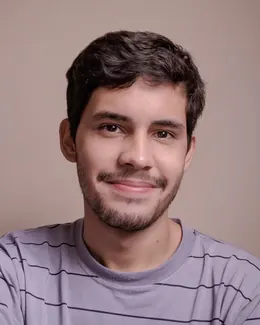
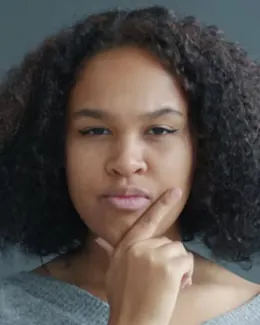
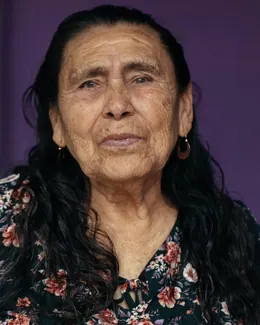


Six questions
The questions every good story answers. Here are ours
AI is unstoppable. However, “unstoppable” momentum does not mean flawless execution. Your customers don’t all speak the same Spanish, yet voice AI doesn’t understand every variety equally. Sheer scale is not enough: AI needs precision, linguistic expertise and cultural depth. That takes human intelligence. And when your project needs a human touch, there’s nothing quite like someone you can call by their first name. The next generation of voice AI needs better human data.
Custom Spanish voice datasets, recorded to your specifications. Or our own datasets for licensing. Original, because every voice is recorded from scratch, with consent: never scraped, never synthetic. Natural, because they are real people in all their diversity, from everyday speakers to trained actors. Scripts written by experts, every file checked by human editors: not by machines. Studio or mobile recording, as your project needs. Spanish, our specialty. Spanglish, our niche. English and other languages, by request. Need one we haven't listed? Tell us. Finding it is part of our job.
We work from a small Andalusian village in Spain, home to many nationalities, with voices and professionals across Europe and the Americas. Because Spanish is not one voice. Castilian and Andalusian. Paisa, Bogotano and Costeño. The Spanish of Mexico City, Lima, Quito, Caracas, Havana and Buenos Aires. And the Spanglish of Los Angeles, Texas and New York. Tell us about your users. We listen to your market, suggest the voice it needs, and find it where it is.
We do it right, and we do it fast. Your timeline is agreed in writing at the start. Talent, team and scripts move in parallel, and quality control runs every day, not at the end: we fix while we do. Artificial intelligence supports our work; it doesn't drive our business. When something goes wrong, a person answers: your producer. You never wait until the end to know.
Rigour, from the first voice to the last file. Scripts by linguists, so every voice sounds natural and, when the project calls for it, with each emotion and its intensity labelled. Sessions directed by broadcast professionals, listening for the performance the label asks for. Every file checked by human editors: a wrong word is fixed, not the whole prompt. Consent and transparency: every speaker knows what their voice will be used for.
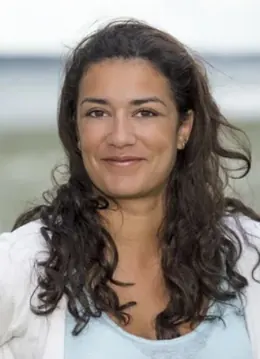
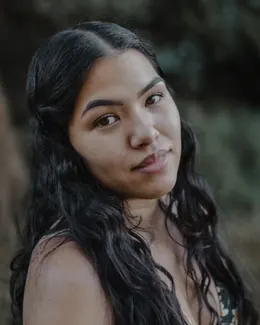
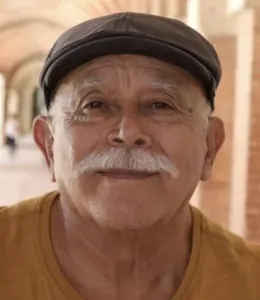
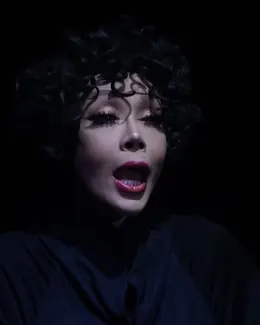
Behind every dataset, people. Philologists. Former BBC senior producers, editors and copy editors. Producers from leading international news networks. Certified voice coaches, trained actors, broadcast voices. And the voices themselves: professional actors, everyday native speakers and experts in their own fields, each one vetted, every studio session directed. Our people, our voices, our ways.
We never presume rights over a voice. Every speaker knows what their voice will be used for, and every client knows where each recording comes from.
Our standardsFor voice talentReach out. Tell us what you’re building and who needs to understand it.Together we’ll build the Spanish dataset your AI and your customers need.
Request a pilotOur blog
VivaVoz
Ideas on AI and the human voice, said out loud. From the Spanish de viva voz: out loud, in person.
Spanish and its many voices: Who does AI understand?
From Arabic dialects to Spanish voice data: what research reveals about the accents artificial intelligence recognises best and worst.
Read AI and the human voiceAI can generate the voice. Who teaches it to sound human?
Voice AI has never been more capable. Its next leap depends on something no model can produce on its own: real people speaking.
Read Spanish dataWhy Spanish voice data is a must
Spanish is not one voice. Models that treat it as one leave millions of speakers misunderstood.
Read